The client
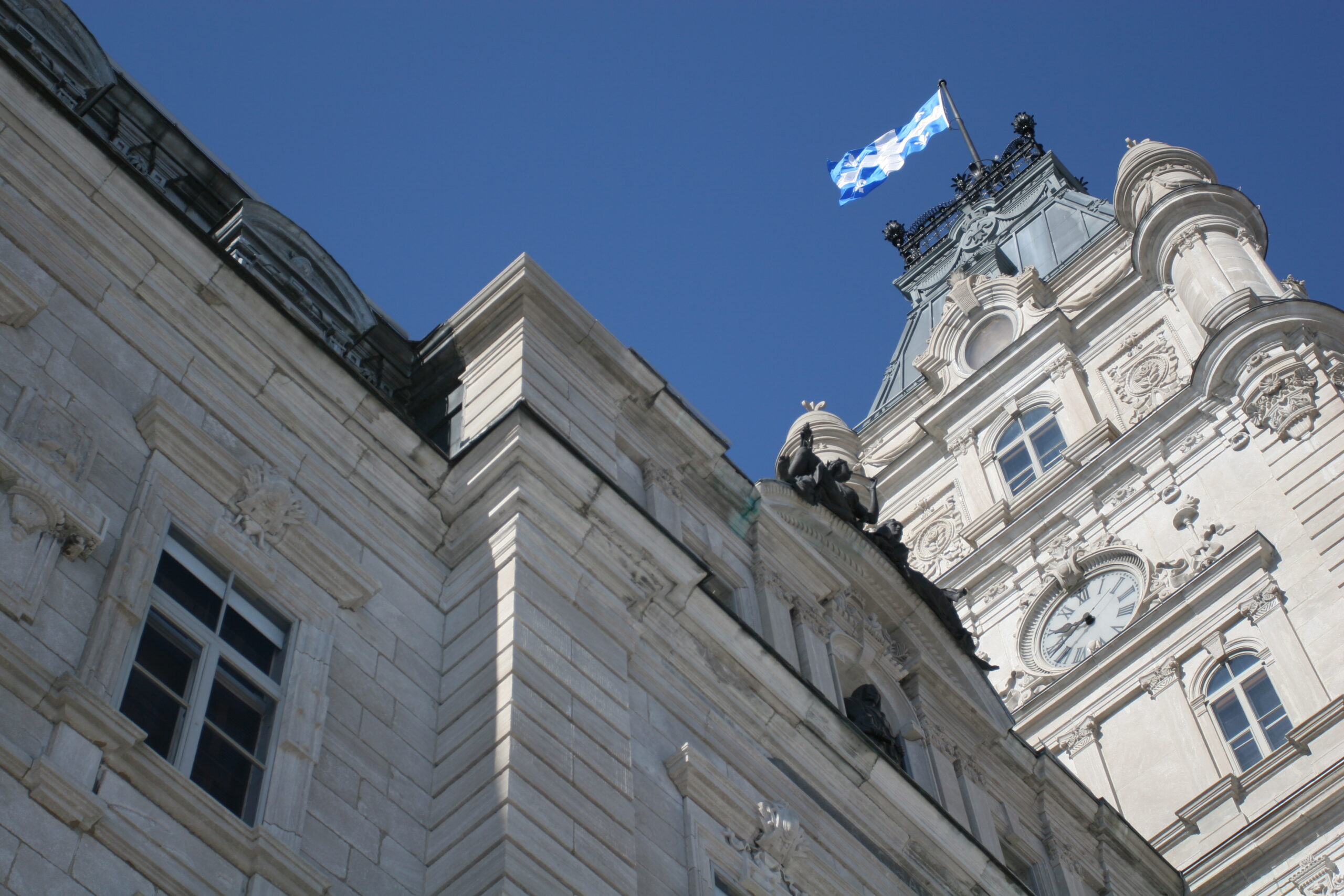
The National Assembly of Quebec, the parliamentary institution of the Quebec state, housed in the Parliament Building, a designated National Historic Site.

Customer success | Parliamentary institution and heritage building
Overview
The National Assembly of Quebec, the parliamentary institution of the Quebec state, housed in the Parliament Building, a designated National Historic Site.
A sprinkler pipe break caused by freezing temperatures flooded four floors and 33 rooms, including 20 with massive construction. The building's heritage value ruled out demolition.
Complete drying without demolition, preserving the building's architectural and historical integrity and enabling institutional operations to resume quickly.
The organization
The National Assembly of Quebec is the parliamentary institution of the Quebec state. It sits in the Parliament Building, built between 1877 and 1886 and recognized as a National Historic Site since 1985. It is among Quebec’s most historic and visible buildings.
A building with this heritage value cannot be treated like an ordinary property after a loss. Thick walls, period materials and its historic status ruled out invasive drying methods. The intervention had to preserve the building while moving quickly.
The challenges
Flooding across four floors
In 2017, a sprinkler pipe break caused by freezing temperatures flooded four floors of the Parliament Building. A total of 33 rooms were affected, including 13 with gypsum construction and 20 with massive construction, such as masonry or stone. In an ordinary building, drying often requires removing gypsum, baseboards and finishes to reach moisture trapped in walls. That approach was incompatible with a National Historic Site.
A structural challenge
The 20 rooms with massive construction presented a distinct challenge: their walls could not be opened. The structure had to be dried in depth across four floors, without opening the walls and within the tight timelines required to maintain institutional operations.
The solution
An emergency response without demolition
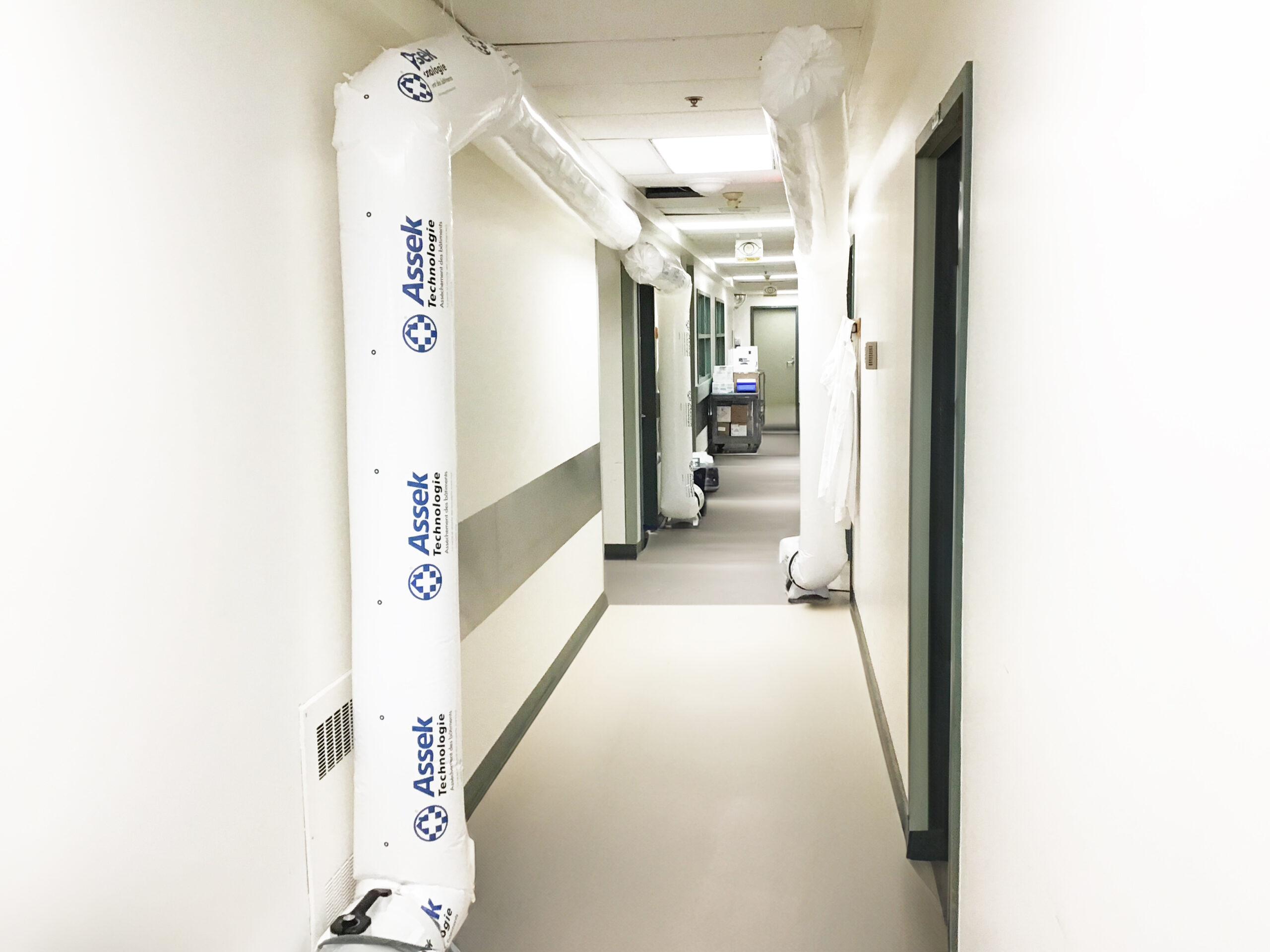
Assek Technologies responded urgently with its non-destructive drying method, supported by Secur-Air technology. Rather than removing affected materials, the rapid drying strategy was adapted to the building’s structural requirements: thick walls, period materials and heritage constraints.
“This major incident was caused by a sprinkler pipe break due to freezing temperatures, resulting in the flooding of four floors of the building. Assek’s intervention enabled us to dry all affected rooms without demolition, a major consideration for a building like ours.”
Assistant Director
National Assembly of Quebec
Emergency response adapted to the situation.
Assessment and estimate tailored to the heritage context.
A non-destructive drying method supported by Secur-Air technology.
Documentation of the intervention and drying follow-up.
Across four floors.
Despite the scale of the loss.
The building's architectural and historical integrity was maintained.
Institutional activities resumed quickly.
Let's talk.