The customer
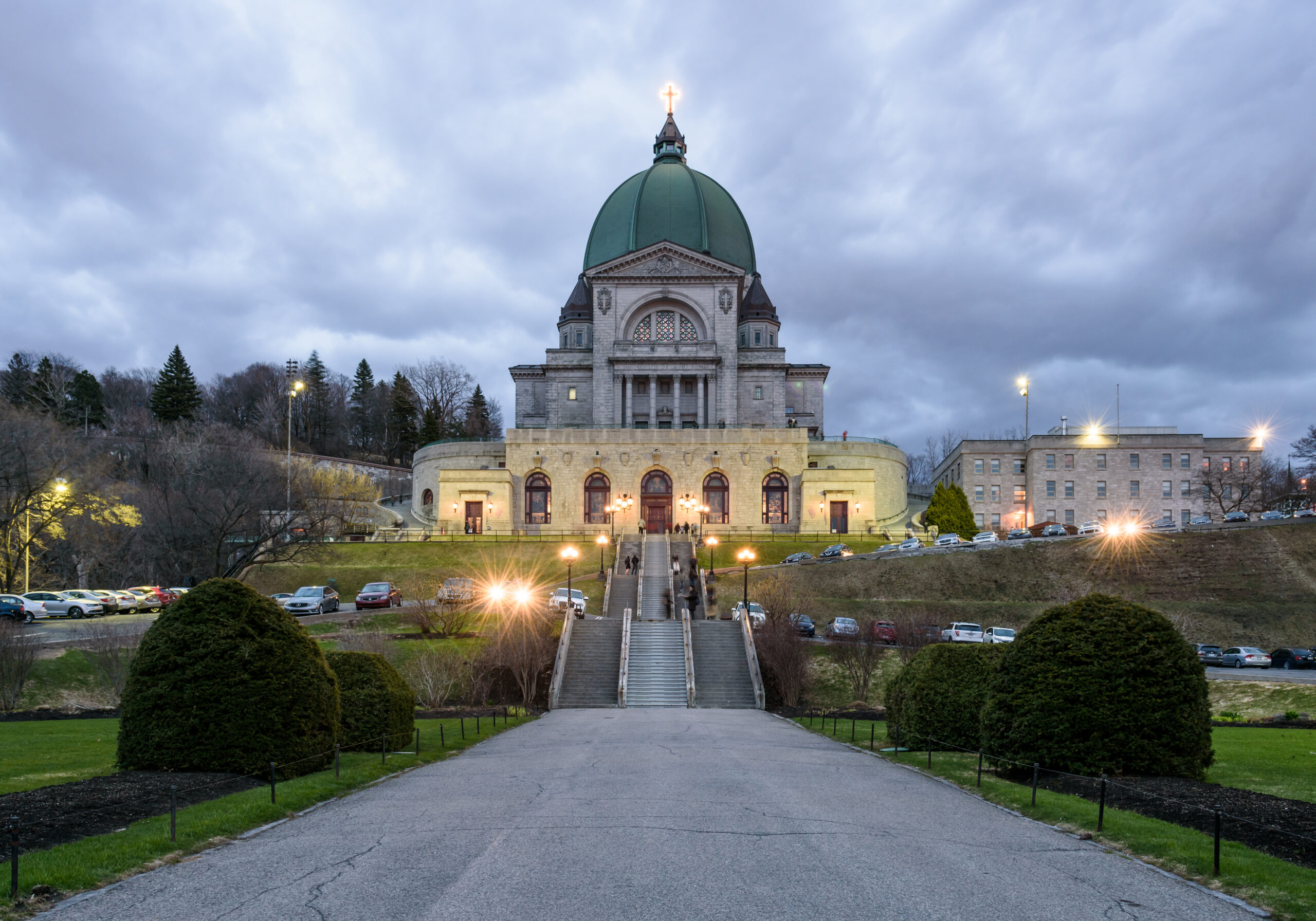
Saint Joseph's Oratory of Mount Royal, a National Historic Site and pilgrimage destination welcoming about two million visitors each year.

Customer success | Place of worship and National Historic Site
At a glance
Saint Joseph's Oratory of Mount Royal, a National Historic Site and pilgrimage destination welcoming about two million visitors each year.
A pipe break caused major water damage across 44 spaces in a historic building constructed with asbestos-containing materials.
All 44 spaces were dried without demolition, while preserving the monument's integrity and addressing asbestos-related risks.
The organization
Saint Joseph’s Oratory of Mount Royal is a sanctuary founded in 1904 by Brother André. Its basilica, completed in 1967, houses the second-largest church dome in the world after St. Peter’s Basilica in Rome. Designated a National Historic Site of Canada in 2004, the Oratory welcomes about two million visitors every year.
A monument of this scale, built with period materials containing asbestos, cannot be treated like an ordinary building after water damage. Any intervention has to preserve the site’s heritage integrity while avoiding any risk of contamination. This dual challenge called for a specialized response.
The challenges
A pipe break affecting 44 spaces
A pipe break caused major water damage at Saint Joseph’s Oratory, affecting 44 spaces. In a standard building, a drying intervention often involves removing certain materials to access moisture trapped in the walls. This approach was incompatible with a National Historic Site, adding complexity to the drying work.
An additional safety consideration: asbestos
The building’s construction materials contained asbestos, ruling out any method that could disturb or release fibres. The intervention therefore had to combine rapid drying, control measures appropriate to asbestos-related risk and the preservation of the original materials.
Avoid demolition that could compromise the monument's heritage integrity.
Rule out methods that could disturb asbestos-containing materials.
Adapt the drying strategy to the scale of the damage without disturbing heritage elements.
Provide the records needed to support the heritage context and restoration work.
The solution
An emergency intervention adapted to the presence of asbestos
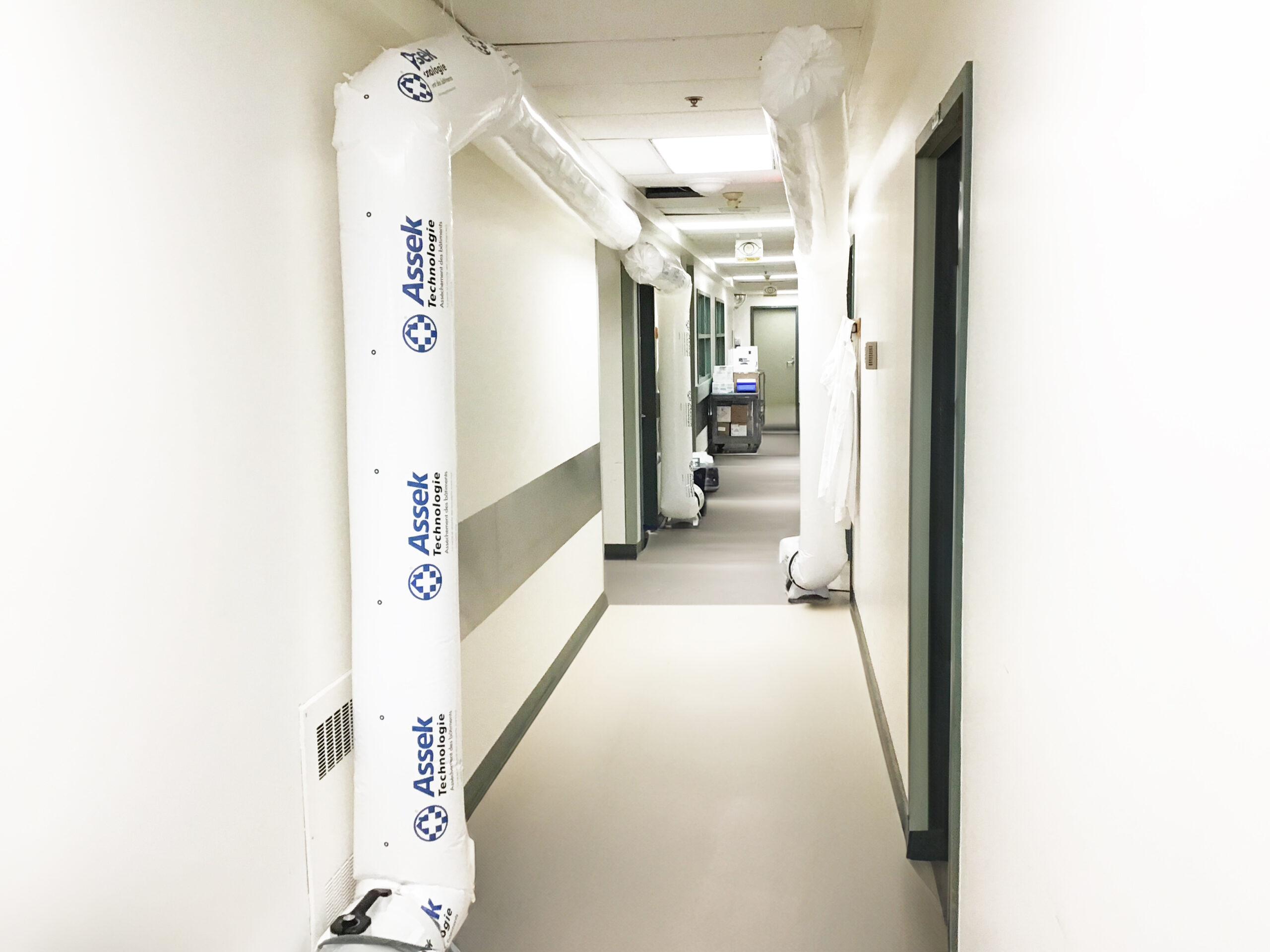
Assek Technologies responded urgently with its non-destructive drying method, applying rigorous indoor environmental control to avoid any risk of contamination during the work. The drying strategy was adapted to the 44 affected spaces without disturbing asbestos-containing materials or the building’s other heritage elements.
Emergency response adapted to the scale of the incident.
Assessment and estimate adapted to the heritage context.
Non-destructive drying method using Secur-Air technology.
Documentation of the intervention and drying follow-up.
Control adapted to the presence of asbestos.
The results
44 spaces dried without demolition or a compromise on safety
The intervention fully dried all 44 affected spaces without demolition and without compromising asbestos-related safety, preserving both the monument’s integrity and the safety of visitors and staff.
Without removing the original materials.
Despite the scale of the incident.
Observed throughout the intervention.
Preserved.
Let's talk.