The client
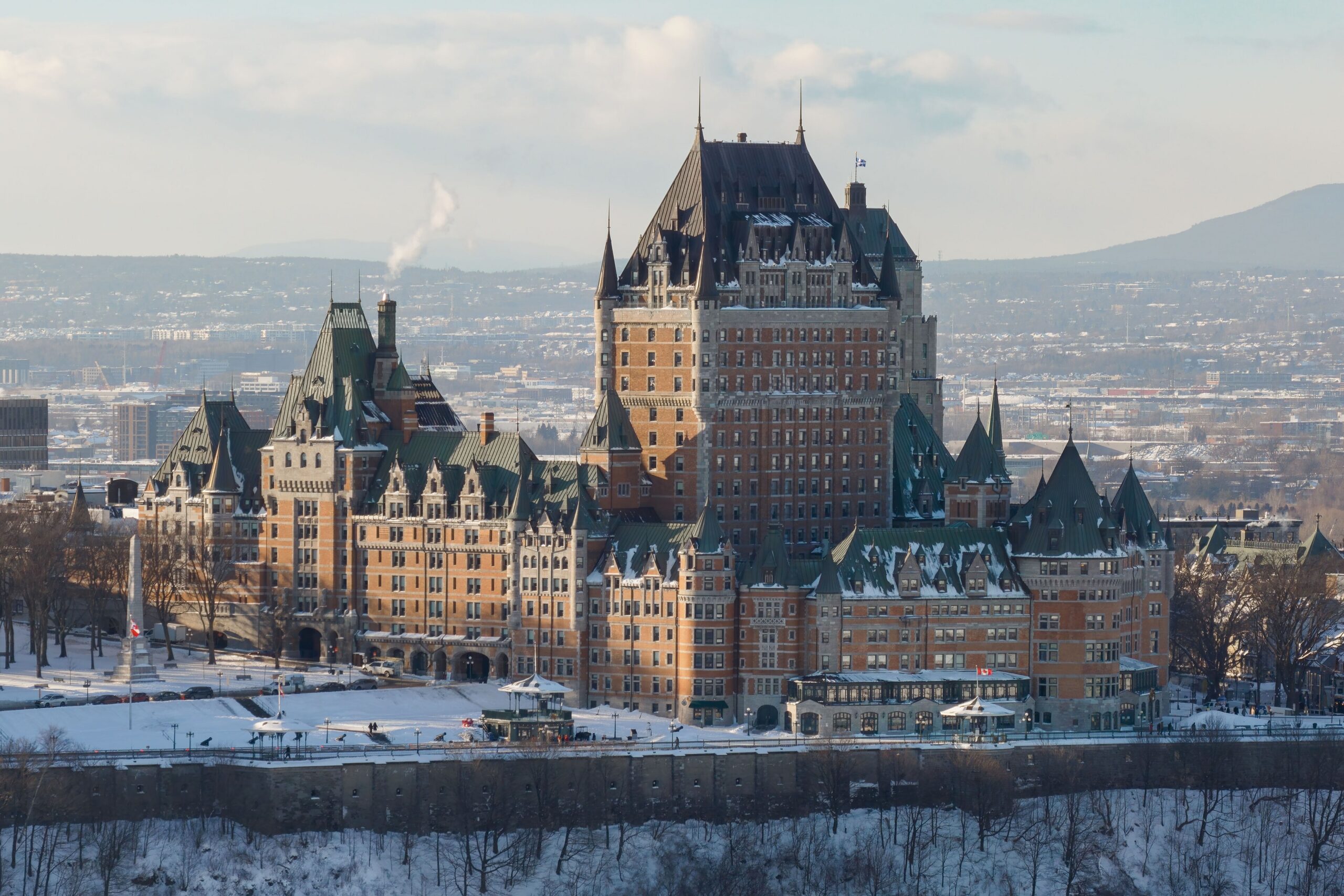
Fairmont Le Château Frontenac, an iconic Quebec City hotel and architectural symbol of the city since 1893.

Customer success | Hospitality and heritage building
Overview
Fairmont Le Château Frontenac, an iconic Quebec City hotel and architectural symbol of the city since 1893.
A sprinkler pipe break caused water damage across two floors, including the ballroom ceiling. The initial assessment called for three months of demolition and reconstruction.
The ballroom reopened in two weeks, without demolition and without losing its original gilded moldings.
The organization
Château Frontenac, whose construction began in 1892 under architect Bruce Price, is one of the world’s most photographed hotels and an architectural symbol of Quebec City. It grew from 170 to 618 rooms through four expansions between 1897 and 1993, while retaining period decor, including gilded moldings that are integral to its heritage character.
In a hotel with this heritage significance, water damage affecting reception rooms cannot be addressed through conventional demolition without risking irreplaceable period elements and taking revenue-generating spaces out of service for months. This combined heritage and operational challenge required a specialized response.
The challenges
Water damage across two floors, reaching the ballroom ceiling
A break in defective sprinkler piping caused water damage across two floors of Château Frontenac, including the ornate ballroom ceiling. The initial assessment for a conventional restoration, involving demolition, reconstruction and refinishing the moldings, called for approximately three months of work.
Combined heritage and financial risk
Closing a reception room for three months posed a risk to original gilded moldings that could not be reproduced identically, as well as substantial financial losses for the hotel. A method was needed that could resolve both issues at once.
The solution
A two-week restoration without demolition
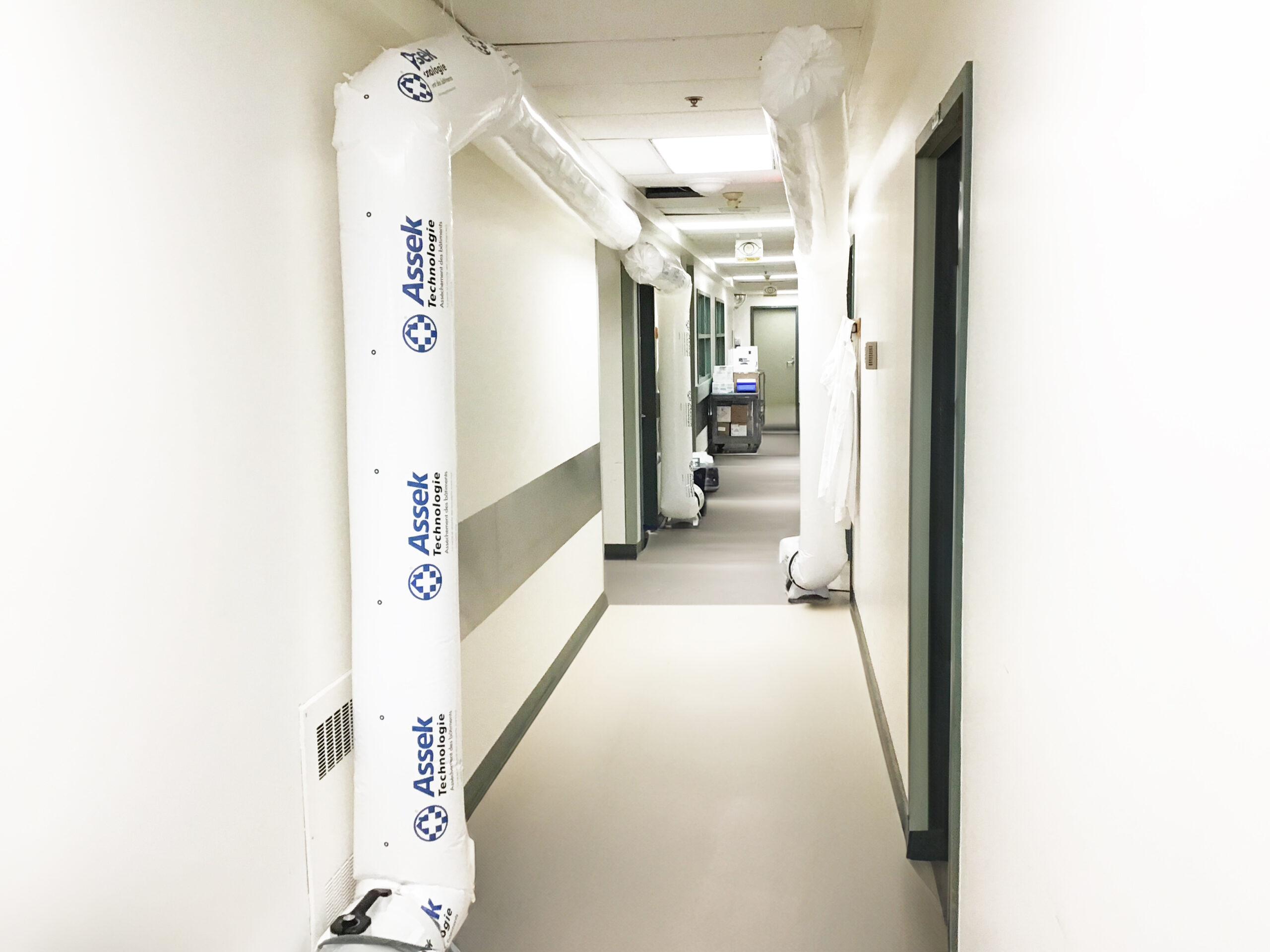
Assek Technologies responded with its Secur-Air rapid drying technology, without demolition. Instead of removing the ceiling and moldings for reconstruction, the team dried the structure in place, preserving the ballroom’s original decor.
Emergency response adapted to the situation.
Assessment and estimate tailored to the heritage context.
Rapid drying method with Secur-Air technology.
Documentation of the intervention and drying follow-up.
The results
Heritage decor preserved, rapid reopening
The ballroom reopened two weeks after the loss, rather than the three months planned for conventional reconstruction, without losing the original gilded moldings or the space’s heritage character.
Instead of the three months estimated for conventional demolition and reconstruction.
The ballroom's heritage decor was retained.
Across the two affected floors.
Rapid return to service limited the operational impact.
Let's talk.